What if skipping the hotel restaurant gave you more freedom, not less convenience? The benefits of staying at a hotel without a restaurant can include a more flexible routine: dine out when you feel like exploring, or keep things simple in your suite when you’d rather unwind. The practical question is how you’ll arrange meals and whether the options around your accommodation fit your plans.
The right stay depends on how you like to eat. A kitchenette can make simple meals easier in units that have one, while nearby restaurants give you another option when you don’t want to prepare food. You don’t have to plan every meal before you arrive, but it helps to know what your accommodation offers.
This article explains what restaurant-free lodging can offer, what to consider when weighing the trade-offs, and which suite features may suit your routine. Pointes North Inn is a condominium-suite hotel with no on-site restaurant or room service. Some suites have kitchenettes, shops and restaurants are within walking distance, and catering is available on request. That combination lets you arrange meals around your plans while enjoying independent suite living.
Key Takeaways
- Restaurant-free lodging means there’s no restaurant on the premises, so consider how you prefer to arrange meals during your stay.
- The benefits of staying at a hotel without a restaurant include more choice in where and when you dine, though convenience depends on your plans and surroundings.
- Compare on-site dining with independent options by considering meal timing, transportation, and how much planning feels comfortable.
- Before choosing accommodation features, think about which meals you’d like to eat out and which you’d rather arrange in your suite.
- A condominium-suite hotel offers independent suite living, with features that vary by unit. Consider whether that setup fits your routine.
What Does Staying at a Hotel Without a Restaurant Actually Mean?
Wondering where breakfast, dinner, or a quick bite will come from is a fair concern if you’re used to dining on-site. Restaurant-free lodging simply means the accommodation doesn’t have a restaurant on the premises. It doesn’t automatically mean meals are difficult to arrange or that you need to plan every bite before arriving. The experience depends on the property’s location, suite features, nearby dining, and how you like to structure your days.
The benefits of staying at a hotel without a restaurant can begin with separating your choice of accommodation from your choice of where to eat. Rather than relying on a dining venue in the building, you can choose to eat nearby, pick up food, or prepare something in your suite if its features support that. “Without a restaurant” describes one amenity, not the full range of dining options available during your stay.
How Is a Restaurant-Free Stay Different from a Standard Hotel Stay?
At a property with a restaurant, guests can access meals in the same building, which may suit travelers who value that convenience. Without on-site dining, meals become a separate part of the travel plan: you choose where and when to eat based on your schedule and preferences. Some condominium suites also have kitchenettes, but that feature is separate from whether the property has a restaurant. For more on what a condotel stay means, consider how suite-style lodging differs from a conventional hotel setup.
There’s no universal winner. An on-site restaurant can reduce the need to go elsewhere for a meal; independent dining gives you more choice about the setting and timing. Either can feel comfortable, depending on what you want from your trip. You can think of accommodation and dining as two coordinated decisions rather than one bundled experience.
Who Might Prefer Accommodation Without On-Site Dining?
This arrangement may appeal to travelers who’d rather choose from nearby dining options than have every service under one roof. It can also suit guests whose meal routines vary from day to day: perhaps a leisurely breakfast out, a quick meal between activities, or an evening spent elsewhere. Whether booking a condotel or an immersive rural retreat like Skylo Farm, travelers often find that lodging without an on-site restaurant gives them more control over their daily schedule. A suite with a kitchenette, where available, may offer another way to handle meals without requiring you to cook throughout the stay.
The main difference is simple: a hotel restaurant brings dining into the building, while restaurant-free lodging leaves guests to choose how and where to eat. Think about your itinerary, preferred meal times, and appetite for making dining plans. If spontaneous outings sound appealing, arranging meals independently may feel natural. If you want meals close at hand, on-site dining may better match your routine. A condo hotel, also called a condotel, is one type of suite-style accommodation, but dining arrangements vary by property. Look beyond the restaurant label to understand what your stay includes.
How a Hotel Without a Restaurant Can Give You More Dining Flexibility
A restaurant-free stay can make dining feel less tied to your accommodation. Instead of defaulting to one venue in the building, you can choose a meal and setting that fit the day: a quick bite between activities, a meal out as part of an evening, or a slower start before heading out. The benefit isn’t a guaranteed saving of time or money. It’s having room to shape your routine around the trip.
That freedom can be useful when plans shift. You might leave early for an outing and arrange breakfast beforehand, return later than expected and decide where to eat then, or set aside time for a relaxed meal rather than fitting it around a hotel restaurant. Your choices still depend on what’s nearby and open, so it helps to be aware of the options. But you don’t have to organize every meal around one venue.
How Can Independent Dining Fit Different Travel Schedules?
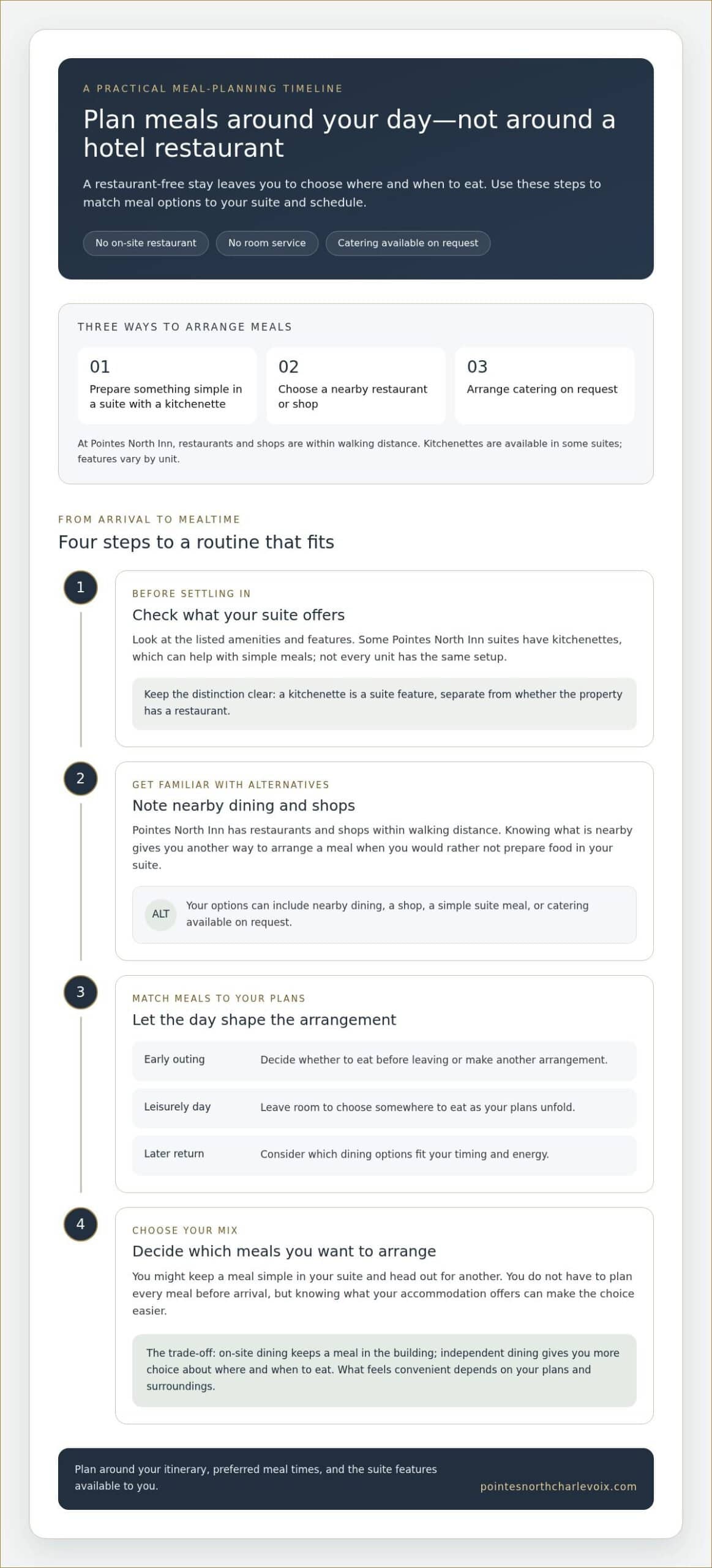
Think of dining as one part of the day, not the day’s anchor. If an early start is on the itinerary, decide how you’ll handle breakfast before leaving. If your schedule is open, you can explore dining options when you’re ready for a meal. And if you return at a different time than expected, you can make a fresh plan instead of relying on a fixed dining routine.
- For an early outing, decide whether you’d rather eat before leaving or make another arrangement.
- For a leisurely day, leave room to choose somewhere to eat as your plans unfold.
- For a later return, consider which dining options fit your timing and energy.
Schedule flexibility means letting meals follow your plans, rather than planning your day around one dining venue. That can feel freeing for travelers who enjoy variety, while guests who prefer meals close at hand may value a different setup.
When Does a Kitchenette Make a Difference?
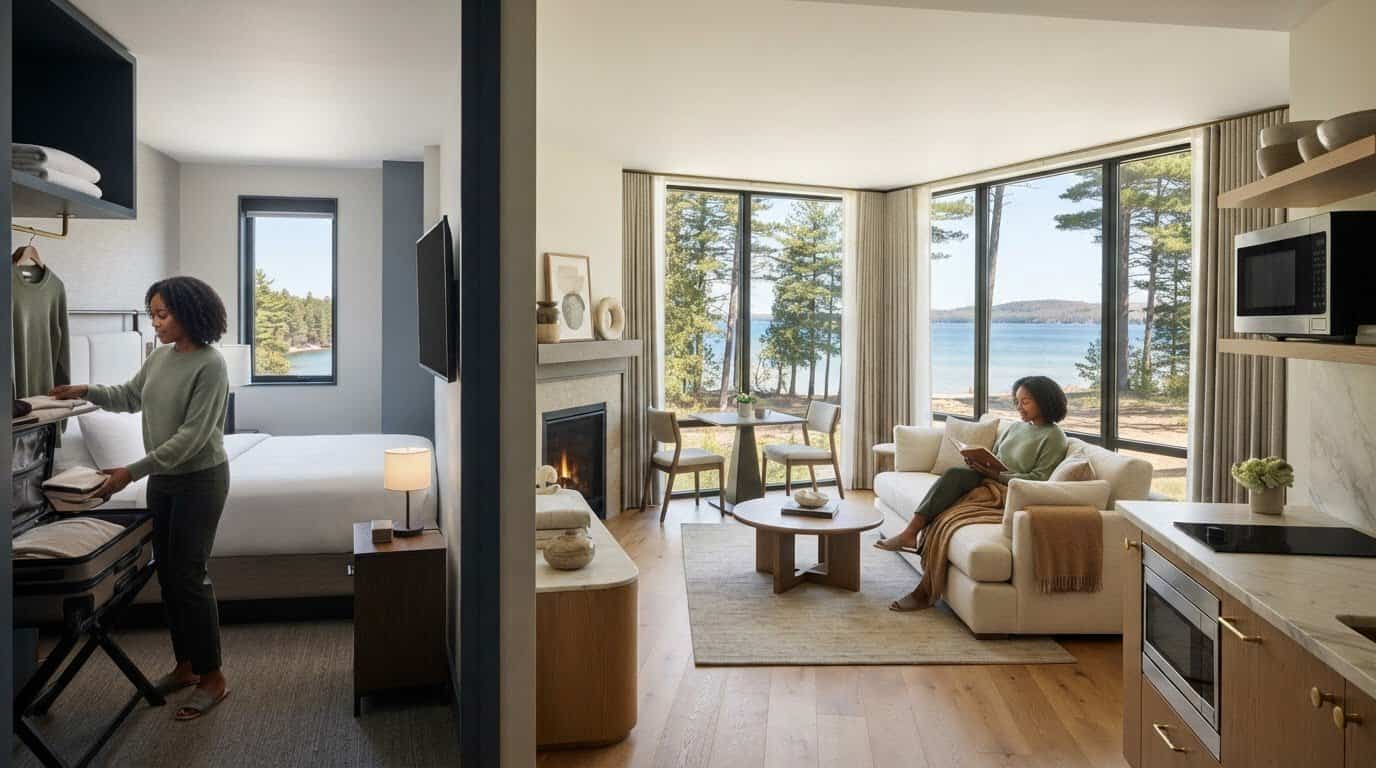
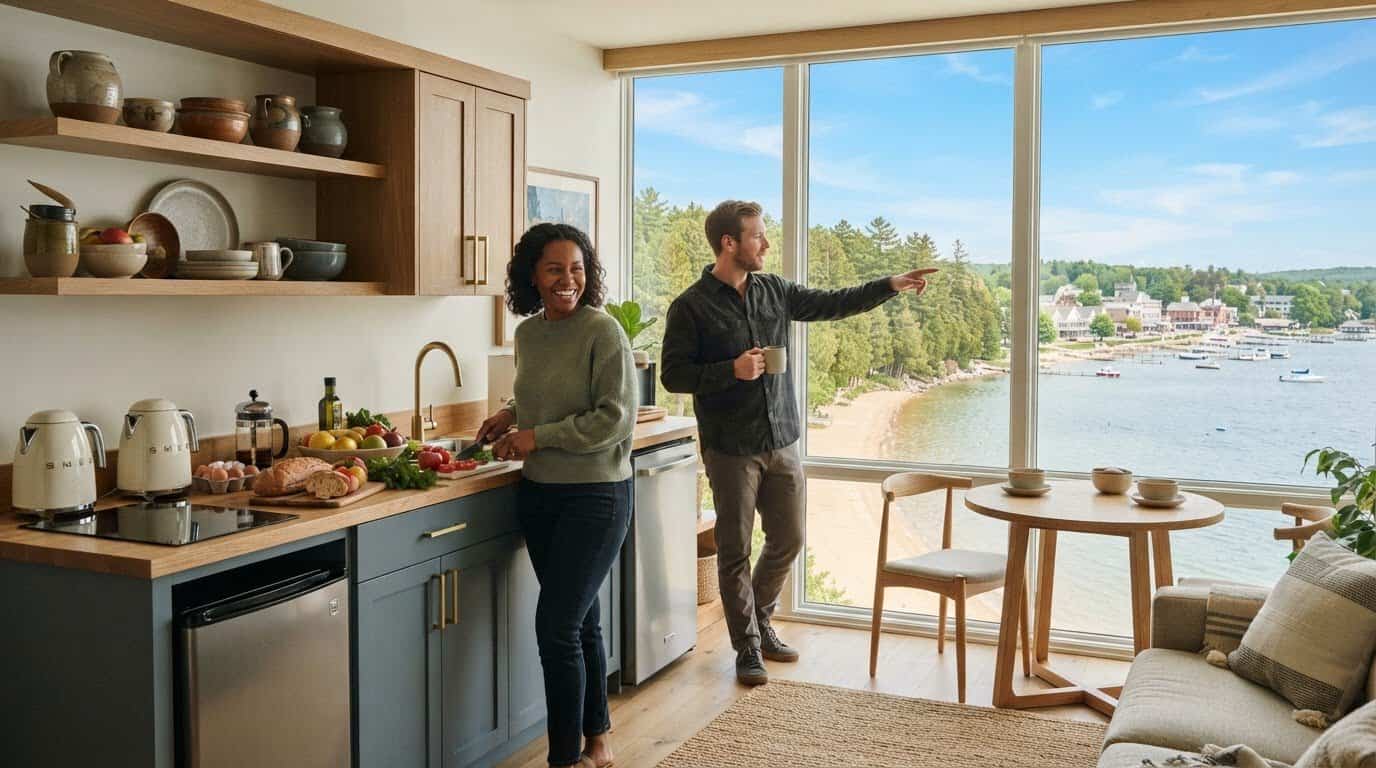
A kitchenette can support simple meal routines in a suite that includes one. You might use it to make a light meal or keep part of your routine familiar while you’re away. It doesn’t mean every unit has the same features or that you need to prepare every meal yourself. At Pointes North Inn, some units include kitchenettes. Explore the listed suite amenities and features as you consider what fits your stay.
Pointes North Inn also has restaurants and shops within walking distance, giving guests another way to arrange meals. A kitchenette and nearby options can complement each other: keep some meals simple in your suite and head out for others. The right balance depends on your itinerary and the kind of retreat you want.
If independent suite living sounds appealing, take a look at Pointes North Inn’s suite options and consider which features best match your meal routine.
Is a Hotel Without a Restaurant Less Convenient? Weigh the Trade-Offs
It can be less convenient in one specific way: there’s no restaurant inside the accommodation to turn to when you want a meal without going elsewhere. But that doesn’t make restaurant-free lodging automatically inconvenient. The practical difference depends on where you’re staying, how you prefer to get around, and whether you enjoy choosing your own dining spots or would rather keep meals close at hand.
Use this comparison to weigh the trade-offs. Neither arrangement is the better choice for every traveler.
Consideration
On-site restaurant
Independent dining
Meal access
A dining venue is within the accommodation, which may make meals feel straightforward.
You choose a separate place to eat or arrange meals another way.
Timing
Your meal plans may depend on the restaurant’s operating hours.
You can shape meal plans around your day, while accounting for available dining hours.
Planning and travel
There may be less need to plan where to go for a meal.
Consider distance, transportation, and how much planning you’re comfortable with.
What Convenience Do You Give Up Without an On-Site Restaurant?
You can’t count on a restaurant inside the accommodation for a meal. Depending on the property, dining elsewhere may mean considering the distance, how you’ll get there, and whether a place is open when you’re ready to eat. That can call for a little advance thought, especially if you like to make plans as you go.
A hotel restaurant can offer the ease of eating in the same building. For some guests, that closeness is a welcome part of the stay. For others, arranging dining separately is a small trade-off for having a wider choice of where to eat. The benefits of staying at a hotel without a restaurant depend on which of those matters more to you.
What Can You Gain by Choosing Where to Eat?
Independent dining gives you the freedom to choose a setting and meal routine beyond the property’s own restaurant. You might explore food options during the day, make dining part of an outing, or keep plans open until you know how you feel. That choice can be appealing if discovering places to eat is part of the enjoyment of traveling.
For a practical sense of nearby dining, consider what’s within reach and how it fits your itinerary. Pointes North Inn, for example, has restaurants and shops within walking distance, but that won’t describe every restaurant-free property. Compare the dining surroundings and suite features with your own routine. If you value having meals in the building, on-site dining may suit you better; if you welcome choice and don’t mind arranging meals separately, independent dining may feel like a natural fit.
How to Plan Meals When Your Accommodation Has No Restaurant
Meal planning doesn’t need to become a second itinerary. A few simple decisions can help you feel prepared without locking every meal into a schedule. Start with the dining options nearby, decide which meals you’d like to arrange independently, then look at the features of the specific suite you’re considering. This keeps your plan grounded in what’s available rather than assumptions about restaurant-free stays.
For travelers weighing the benefits of staying at a hotel without a restaurant, the aim isn’t to plan every bite in advance. It’s to know what choices you’ll have when you arrive and leave room for plans to change.
- Check the dining surroundings. Consider how close dining options are and how you’d get to them. Think about whether walking, driving, or another form of transportation fits your plans. If you expect to eat out, consider how meal timing may fit your day and the options available nearby.
- Map your meal preferences. Decide which meals you’d enjoy eating out and which you’d rather arrange independently. For example, you might plan to explore dining options for dinner while keeping breakfast flexible. If you’re traveling with others, consider everyone’s preferred routines so the plan feels comfortable for the group.
- Review the suite features. If a kitchenette matters to you, check whether the particular unit includes one. Don’t assume all suites have the same features or that a kitchenette comes with specific equipment. Choose based on the details of the accommodation and the way you expect to handle meals.
What Should You Check Before Booking?
Look at location and suite features together. A dining option’s distance matters differently depending on how you plan to reach it, while a kitchenette is useful only if it matches the meals you want to arrange yourself. Also weigh your usual meal times, the preferences of anyone traveling with you, and how much planning feels relaxing rather than restrictive. These details can help you choose between condominium-suite accommodations and other lodging options.
How Can You Make Meal Planning Feel Effortless?
Keep the first meal simple to plan. Think about when you’ll arrive and what would feel manageable after the journey, without committing to a venue before you know your schedule. Separate confirmed suite features from assumptions: if you’re counting on a kitchenette, make sure it’s part of the unit you’ve chosen. At Pointes North Inn, catering is available on request, offering another way to arrange meals without assuming a particular menu or service detail.
Before arrival, consider nearby dining, decide which meals you’ll arrange independently, and review the features of your specific suite. That’s enough structure to feel prepared while leaving space for spontaneous choices. Explore Pointes North Inn’s suite options to find an accommodation that fits your meal routine.
Why a Condominium-Suite Hotel Can Suit a Restaurant-Free Stay
A stay without on-site dining doesn’t have to mean giving up the space and features you want from your accommodation. A condominium-suite hotel, or condotel, combines independent suite living with hotel services, creating an option for travelers who prefer to choose where they eat rather than center their stay around a restaurant on the property.
Pointes North Inn is a condominium-suite hotel with independent suite accommodations. Some units have kitchenettes, and restaurants and shops are within walking distance. These features give you different ways to approach meals, whether you’d like to eat out or handle some of your routine independently. Suite features vary by unit, so focus on the details that match the way you plan to spend your stay.
What Does Pointes North Inn Offer for an Independent Stay?
Some Pointes North Inn units include kitchenettes, while others don’t. That distinction matters if you’d like the option of handling simple meals in your suite. The property also has an outdoor heated pool and professional housekeeping. These features offer suite living alongside hotel services, without making an on-site restaurant the center of the experience. Explore the Pointes North Inn vacation rentals to compare accommodation options.
For travelers considering the benefits of staying at a hotel without a restaurant, this combination can offer a useful middle ground: independent space, the option of a kitchenette in some units, and nearby places to eat. It doesn’t mean every meal will be effortless. Instead, you have more than one way to shape your routine, with restaurants and shops within walking distance and suite features that depend on the unit.
How Can You Decide If This Stay Fits Your Trip?
Think about what you value most. A condominium-suite hotel may suit you if you enjoy having a suite as your home base and choosing where to dine. Nearby restaurants provide an option for meals out, while the lack of an on-site restaurant means you’ll arrange dining separately. If a kitchenette is important, choose a unit that includes one; if you expect to eat out, consider how the location fits your plans.
Before booking, compare your meal routine with the accommodation’s location and unit features. If you’d rather have a restaurant inside the building, that convenience may matter more than independent suite living. If you’re comfortable choosing where to eat and value a suite-style stay, Pointes North Inn may be a good fit. Guests who book through the Pointes North Inn website or with a reservation team member are promised the best rate possible. A comfortable trip doesn’t require planning every meal in advance; it helps to choose a setting that suits your preferences.
Your next relaxing getaway awaits. Check Availability
Choose the Stay That Lets Your Trip Breathe
Your stay should support the way you want to experience your getaway, not dictate every part of it. As you make your plans, consider whether you’d enjoy the freedom to choose meals as the day unfolds, or whether dining in the same building is an important comfort. The benefits of staying at a hotel without a restaurant are most meaningful when independent dining fits your pace and preferences.
Let your itinerary guide the decision. Think about how much structure feels reassuring, how much spontaneity you’d like to leave room for, and which suite details matter to you. Then choose a place that makes it easier to settle in and enjoy your time away, without turning every meal into a decision you have to make in advance.
Ready to picture your next stay? Check availability at Pointes North Inn and take the next step toward a restful getaway. Check availability online to see which suite options fit your plans.
Frequently Asked Questions
Is staying at a hotel without a restaurant a good choice for families?
It can be, depending on how your family likes to organize meals. Consider the children’s usual meal times, plans for the day, and whether you’d prefer to eat out or arrange some meals independently. A kitchenette may help with your family’s routine if the selected unit has one. If having dining inside the accommodation is a priority, a property with an on-site restaurant may be a better fit.
Can staying at a hotel without a restaurant save money?
It may, but savings aren’t automatic. The overall cost depends on the accommodation, how you choose to handle meals, and what dining or grocery options cost during your trip. To assess the benefits of staying at a hotel without a restaurant, compare the full stay and meal plan rather than assuming one format costs less. Your plans, preferences, and the property all affect the total.
Do hotels without restaurants offer room service?
Not necessarily. Room service is separate from having an on-site restaurant, and its availability depends on the accommodation. A property may have neither, while another may offer food through a different arrangement. Don’t assume meals can be delivered to your room just because you’re staying at a hotel. Pointes North Inn does not offer room service, so plan to arrange meals independently or use its catering option, available on request.
What happens if you arrive late at a hotel without a restaurant?
Your meal options depend on the property and what’s available nearby at that time. If you expect to arrive late, decide before traveling how you’ll handle your first meal, and consider whether the accommodation’s location and confirmed suite features suit that plan. Pointes North Inn has no on-site restaurant or room service, so plan for meals separately rather than expecting food to be available at the property when you arrive.
Is a kitchenette standard in a hotel room without a restaurant?
No. Not having an on-site restaurant doesn’t mean a room or suite includes a kitchenette. Features can differ between properties and individual units, so base your plans on the details of the accommodation you’re choosing. At Pointes North Inn, some units include kitchenettes. If having one is important to your meal routine, choose a unit that specifically includes this feature rather than assuming it’s standard throughout the property.
Can a hotel without a restaurant arrange catering?
Some accommodations offer catering, but it isn’t an automatic feature of a restaurant-free stay. Pointes North Inn offers catering on request, giving guests another option for arranging meals. Catering availability doesn’t establish a particular menu, serving style, schedule, or price. Distinguish the services an accommodation describes from assumptions based only on whether it has a restaurant on the premises.
How do you choose between a hotel with a restaurant and one without?
Start with the way you want meals to fit into your trip. If eating in the same building is important, on-site dining may suit your routine. If you’d rather choose separate dining venues, consider the property’s location, transportation, and the specific features of the room or suite. Neither format works best for everyone. Choose the option that feels manageable and comfortable for your schedule.