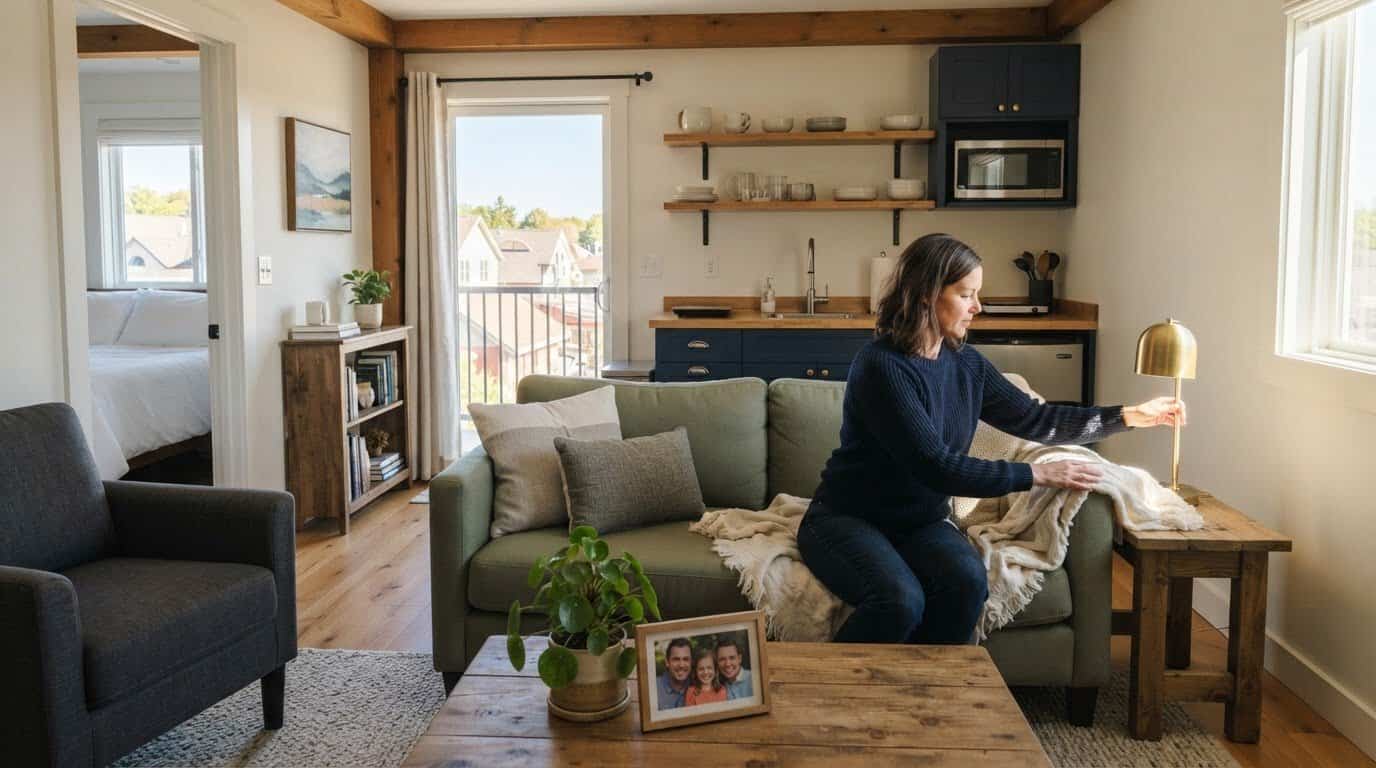
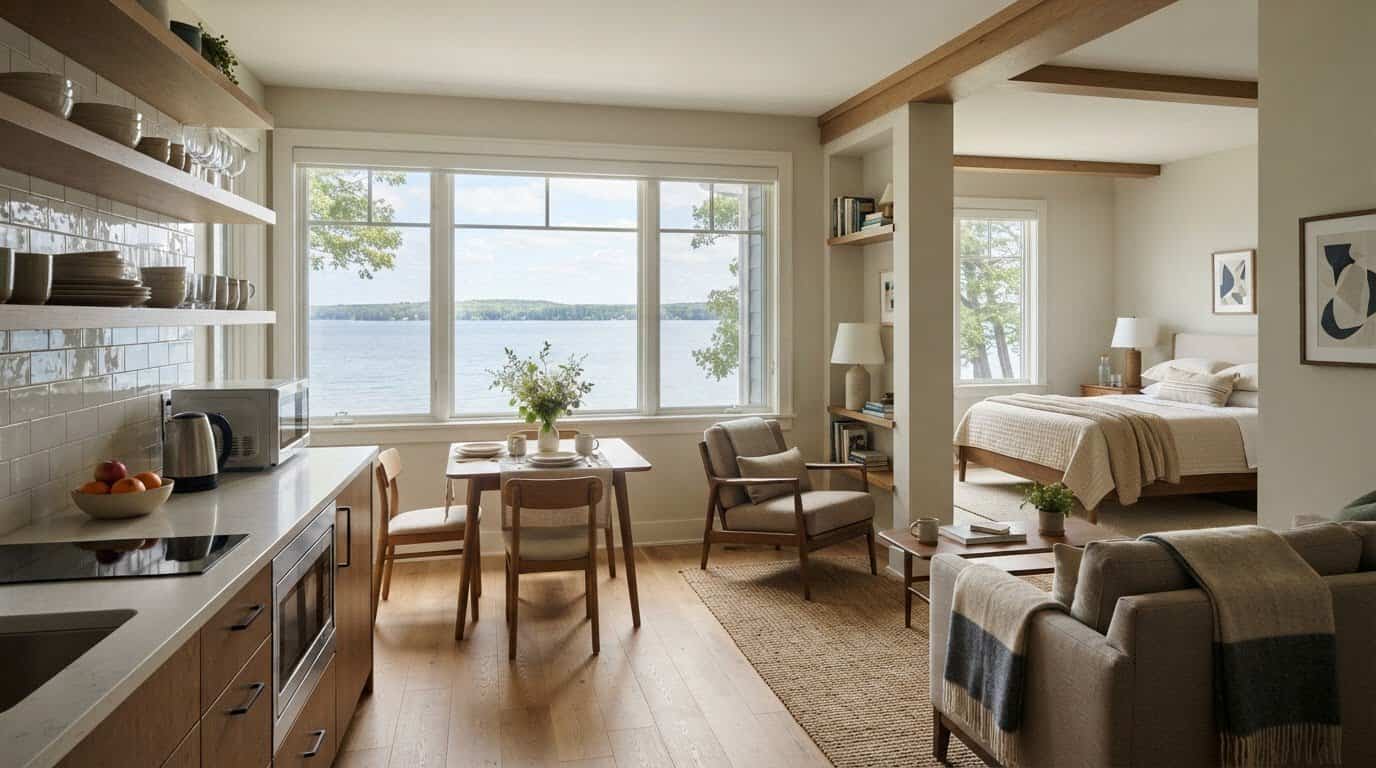
For a longer stay, look for a suite with a kitchen or kitchenette, room for your routines, and space to relax between outings. Finding a hotel suite that feels like home means looking beyond the bed to consider where you’ll prepare meals, unpack, and unwind. The right fit depends on what you’ll use each day.
A standard hotel room can feel limiting when you’re away for weeks or simply want more breathing room. A kitchen area can make familiar meals easier, while separate sleeping and living spaces can give your stay a calmer rhythm.
Learn what to look for in an extended-stay suite, how to assess the kitchen setup, and what to consider before booking. Then use a few simple routines and familiar belongings to make the space welcoming from the moment you arrive.
Key Takeaways
- Choose a suite by matching its layout and amenities to the routines you want to keep during your stay.
- Look closely at the kitchen setup so you can plan familiar meals and make everyday dining more convenient.
- Compare booking details and stay requirements before you reserve, then choose the option that best fits your plans.
- Bring a few familiar belongings and keep up your usual routines to make temporary lodging feel more settled.
Choosing an extended-stay suite
For a stay lasting weeks or months, match the suite to the routines you want to keep. Finding a hotel suite that feels like home starts with identifying what you’ll use every day, then comparing layouts and amenities.
Suite Layouts and Room Amenities
Standard hotel rooms often combine sleeping and sitting areas in one space. A suite may offer separate rooms or a distinct living area, giving you more flexibility for reading, working, or resting. Compare the floor plan, bed arrangement, dining space, and kitchen setup. If one person needs quiet while another works, a separate bedroom can make sharing the suite easier. For extended breaks centered on relaxation, self-contained accommodations such as a Spa Lodge with indoor spa bath demonstrate how personal wellness amenities and generous floor plans combine to create a true home-away-from-home feel.
Cancellation deadlines, housekeeping frequency, and extra-guest policies depend on the property’s terms and selected rate. Before booking, review the cancellation cutoff, whether housekeeping is scheduled or requested, and how occupancy affects the reservation. If another guest may join, check the stated occupancy limit and any extra-person charges before selecting a rate.
Laundry, Cookware, and Storage
Use amenity filters for in-room laundry, cookware, and storage, then read the room details. Listings may distinguish a kitchenette from a full kitchen, so look for the appliances and utensils you need. For laundry, check whether machines are in the suite or listed as shared facilities. Closets, drawers, and shelves make it easier to unpack beyond a weekend bag.
Finding a hotel suite that feels like home also means weighing practical needs before extras. Make a short list of priorities, such as a work surface, laundry access, cooking equipment, sleeping arrangements, and space to unpack. For a group, consider everyone’s routine. Someone working remotely may value a separate sitting area, while a traveler who regularly washes clothes may prioritize in-room machines. This helps you compare suitable layouts and focus on amenities that support daily life.
An extended-stay suite may serve as temporary housing for weeks, months, or longer, such as during a relocation or home transition. For those moving house and coordinating property sales, working with local experts like FSG Estate Agent can keep the process on track while you stay in interim accommodation. With a longer stay, consider how the space will work on ordinary days, not just when you arrive. Think about where belongings will go, which areas need to stay quiet, and how to keep routines convenient. A suite that fits those habits can feel more manageable throughout your stay.
In-room kitchens and preparing familiar meals
A kitchen can make travel feel more familiar by helping you keep favorite meals in your routine. Preparing meals in a suite may also reduce food costs compared with eating out. Start by listing what you expect to cook. Someone planning simple breakfasts and dinners needs different equipment from a guest who wants to make more involved meals.
Read the room description and compare its kitchen details with your list. Look for information about cooking appliances, refrigerator space, cookware, dishes, and utensils. A kitchenette may suit coffee, toast, or reheating leftovers, while a fuller kitchen may better support pasta or sautéed vegetables. The label alone won’t tell you whether the setup suits your plans.
When finding a hotel suite that feels like home, consider which familiar dishes you’ll want to make. Oatmeal, sandwiches, or pasta can help you identify useful ingredients and tools. Choose meals that share ingredients to keep your grocery list focused and use what you buy. If you have dietary preferences, list suitable staples before traveling and plan how to work them into your meals.
Keep preparation simple. Choose recipes with a few steps, and don’t rely on specialty equipment unless the room details mention it. Pack small items you use often, such as a reusable water bottle or favorite seasoning. Store groceries together and set aside a shelf for breakfast items or snacks. An orderly setup makes cooking easier between work, sightseeing, and rest.
As you compare suites, finding a hotel suite that feels like home means choosing a kitchen that supports your actual routine. Prioritize the appliances and workspace you expect to use. Occasional meal prep may call for a compact setup, while regular cooking needs more. This practical match helps you focus on useful features, not amenities you won’t use.

Hotel search and booking
Compare listings for the same dates, guest count, and suite type to make differences clear. Rates and available options can change with travel dates, location, and occupancy, so keep those details consistent while browsing. Save a short list, then review each property’s booking terms before choosing.
To compare reviews for comfort, noise, and cleanliness, look for repeated comments across recent guest experiences. Note specific details, such as hallway sounds, mattress comfort, or bathroom cleanliness, rather than relying on a single broad rating. Reviews that independently describe the same issue can help you judge whether it matters to your stay.
There isn’t one useful average price for a hotel suite across the United States. Rates depend on location, travel dates, suite layout, length of stay, and occupancy. Compare the total for your exact plans rather than relying on a broad national average.
Review photos and descriptions together before booking. Look for images of the sleeping area, living space, kitchen, windows, and bathroom, then compare them with the written room details. Check the listed bed arrangement, occupancy, amenities, cancellation deadline, housekeeping terms, and any extra-person policy.
Use booking filters to narrow results by family-friendly features, pet-friendly stays, suite layout, and kitchen amenities. Then read the property’s occupancy and pet policies, since a filter alone won’t explain the terms. Travelers with children can prioritize separate sleeping areas; guests bringing a pet can focus on listings explicitly identified as pet-friendly.
AAA members receive a 10% discount for a one-night stay under the everyday AAA discount. It’s subject to availability at participating hotels, blackout dates and restrictions may apply, and it can’t be combined with other discounts, offers, group rates, or special promotions. If you’re a member, compare the eligible rate with your other booking options and review the terms before reserving.
Suite prices vary by location, travel dates, layout, stay length, and occupancy, so there is no useful nationwide average.
Personalizing a temporary living space
Keep familiar habits in your suite to make temporary lodging feel more settled. Maintain your usual bedtime and morning routines, whether that means reading before sleep or making tea after waking. Familiar sleep habits and daily rhythms can help you feel more at home during your stay.
Unpack instead of living from a suitcase. Put everyday clothes in drawers, keep toiletries together, and place work items within reach. Arranging belongings on shelves and in drawers helps a room feel more lived in. For example, keep a book and charging cable beside your bed, and store travel documents in one consistent spot.
Give each part of the suite a simple purpose. Use a table for meals, a chair for reading, and a clear surface for work. If you’re sharing the space, agree where bags, coats, or children’s belongings should go. These small choices reduce daily searching and help everyone use the room comfortably.
Build a local routine, too. Walk around the neighborhood to find a convenient route for coffee, groceries, or an evening stroll. Introducing yourself to staff can also help you feel more settled. A friendly greeting gives you a familiar point of contact for everyday questions about the property or nearby surroundings.
Bring a few familiar comforts that suit your plans, such as a favorite mug, framed photo, or soft sleep shirt. Choose items that are easy to pack and useful during your stay rather than filling the room with extras. Keep shared surfaces clear, and return daily essentials to their usual places before bed. A calm, organized space can make it easier to relax after a full day.
Choose a suite that supports the routines you want to keep. Explore suite options for your stay and picture how you’ll settle into the space.
Unpacking belongings into shelves and drawers can make a suite feel more familiar and lived in. A brief, deliberate arrangement can help the room reflect how you use it, without requiring a full reorganization. Keep it simple: make room for belongings you’ll use during your stay and leave other items packed.
Pointes North Inn: One Bedroom Suite
Pointes North Inn offers suite options for travelers who want more than a standard hotel room. Choose the One Bedroom Suite if a separate bedroom suits your stay, or consider the Two Bedroom Suite when your group needs distinct sleeping spaces. For meal preparation, the King Suite with Kitchenette may suit your plans. Guests traveling with a pet can choose the Pet Friendly Condominium.
Use your priorities to narrow your choice: sleeping arrangements, kitchen access, or a pet-friendly stay. Matching the suite type to your daily routine can make it easier to settle in and enjoy your time away.
Visit Pointes North Inn’s suite options to explore which accommodation fits your plans.
Make Your Next Stay Your Own
Let your stay begin before you arrive. Picture the pace you want, from a relaxed first evening to an unhurried morning, and choose a few small rituals to make the trip feel personal. You don’t need to recreate home in every detail. A familiar playlist, a favorite book, or time set aside to explore can give your days a comfortable shape.
Finding a hotel suite that feels like home is ultimately about making room for the way you want to live while away. Choose comfort, leave space for spontaneous plans, and enjoy the change of scenery without giving up the routines that help you feel grounded.
Ready to plan a welcoming stay? Contact Pointes North Inn and take the next step toward a getaway that feels like your own.
Frequently Asked Questions
What features make a hotel suite feel like home?
A suite feels more like home when it offers comfort, privacy, and room for your preferences. Look for a comfortable place to sit, lighting you can adjust for reading or relaxing, and convenient outlets for your devices. For example, a quiet seating area where you can read or take a call can make evenings feel more settled than spending all your time beside the bed.